Medline Robotics — Neurological Patient Care

Prosthetic Leg for Stroke Patients India

Stroke-related amputations present unique clinical challenges — reduced proprioception, spasticity, and cognitive changes can complicate prosthetic use. The M1 Leg's AI terrain management provides autonomous gait support, reducing the cognitive demand on stroke survivors.

AI Terrain Control — Reduces cognitive burden on gait

Autonomous Adaptation — Less conscious attention required

IP67 Waterproof — Handles all care environments

Clinical Team Support — Experience with neurological patients
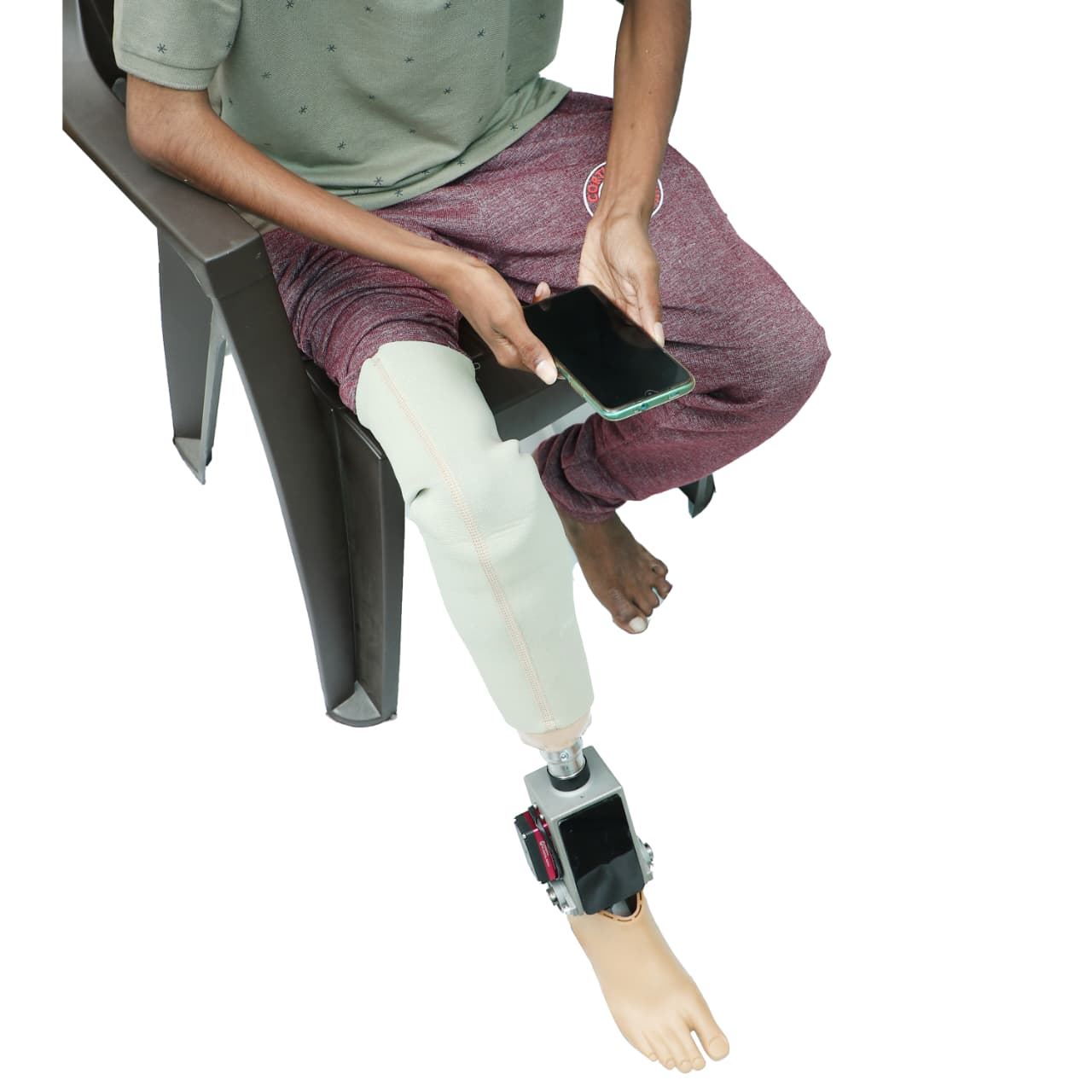
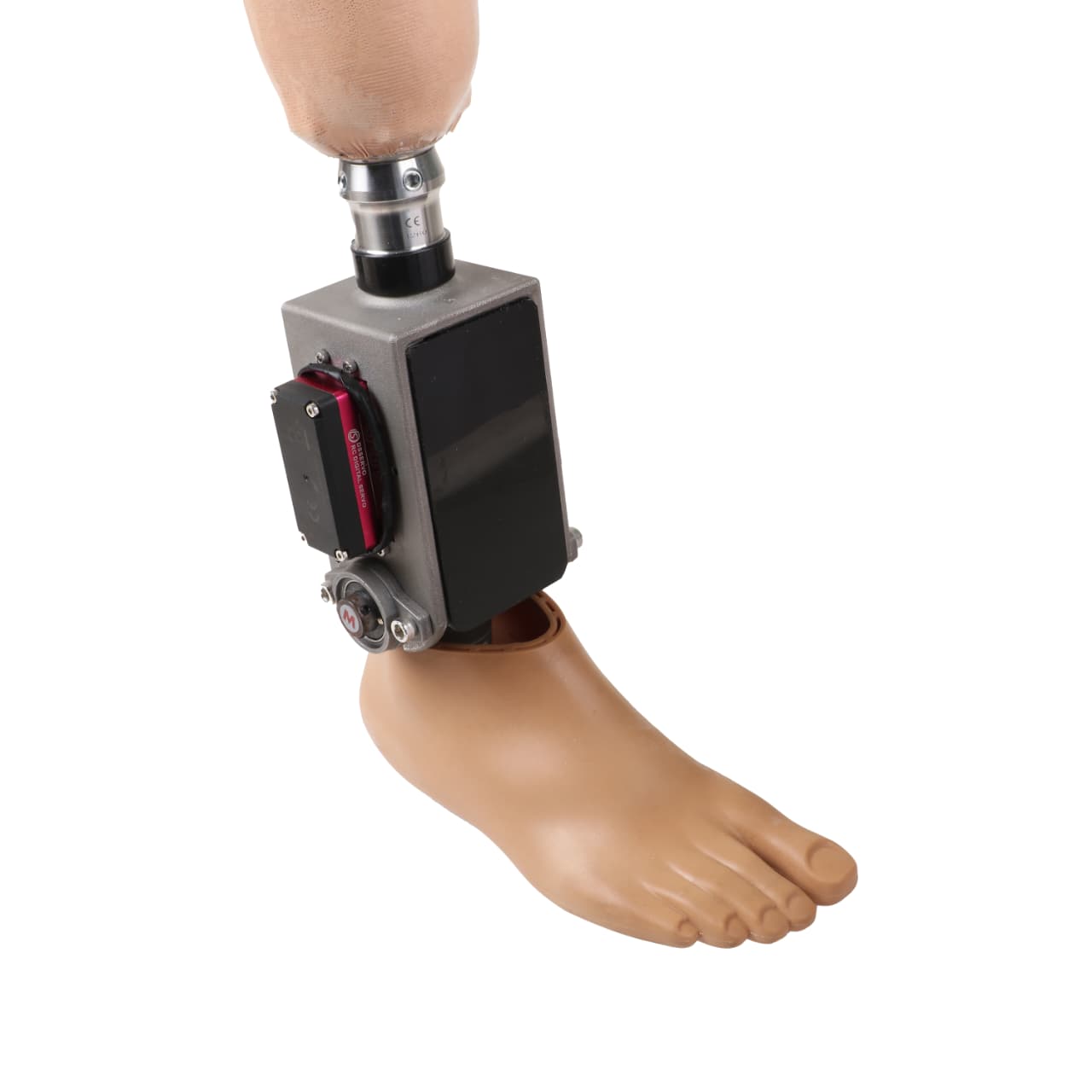
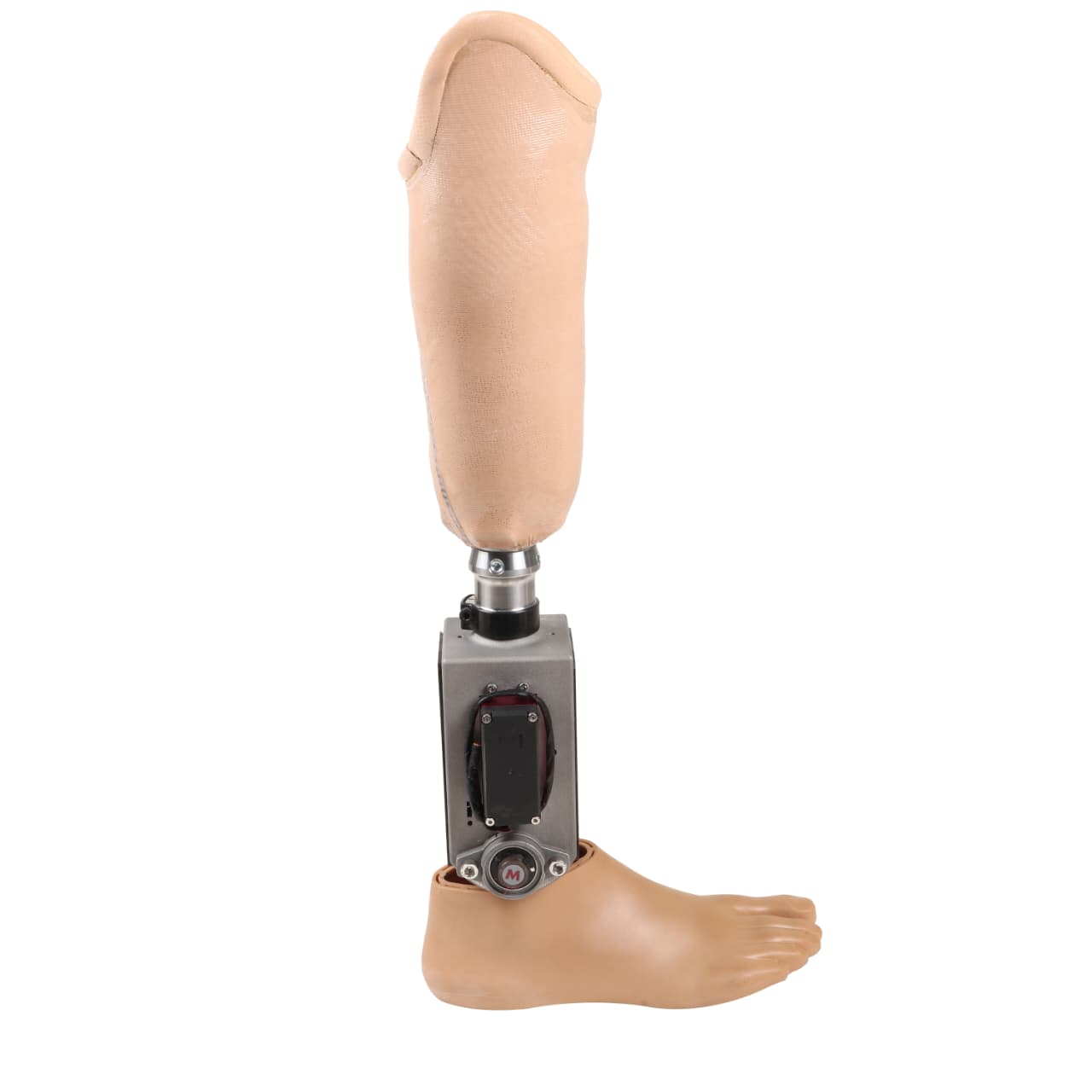
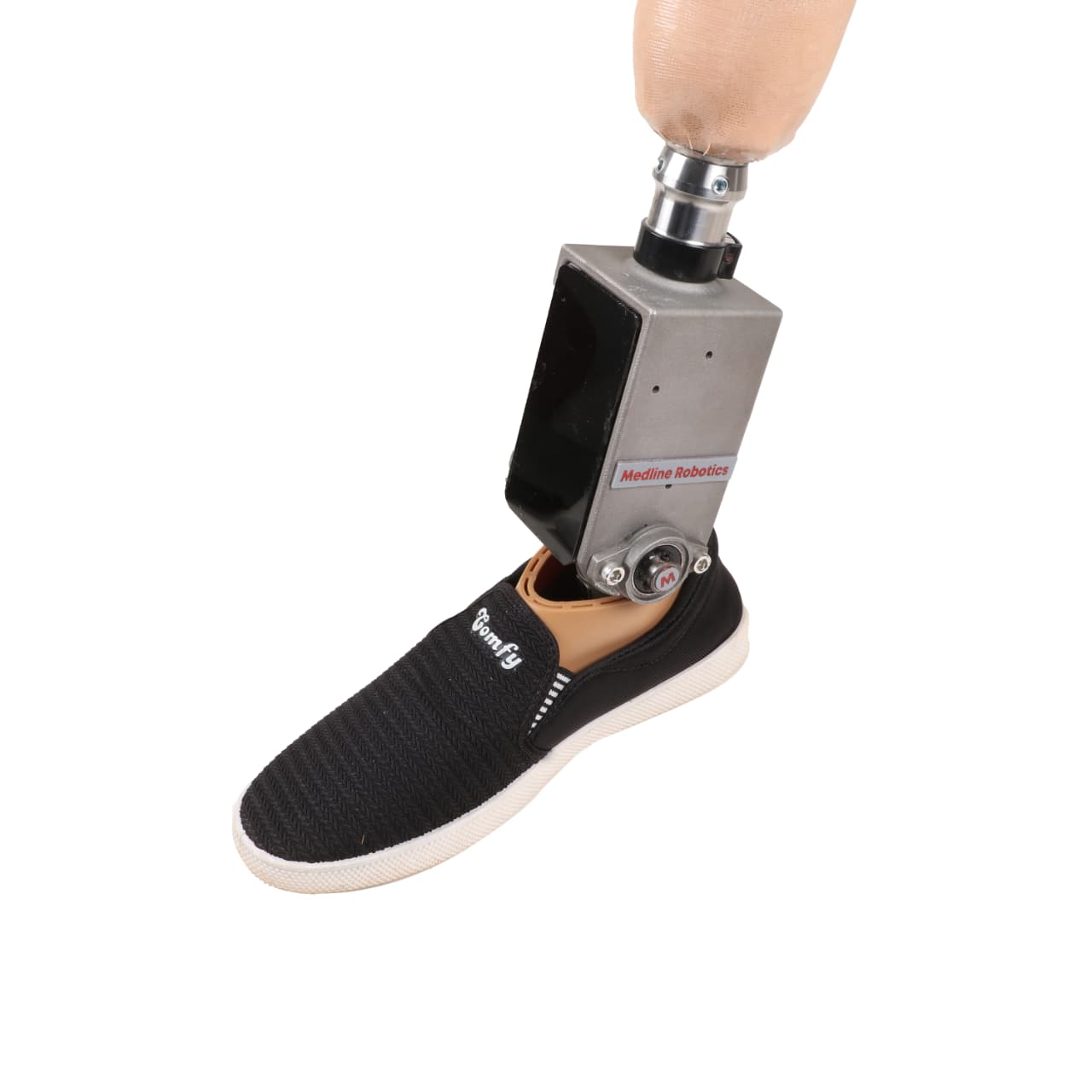
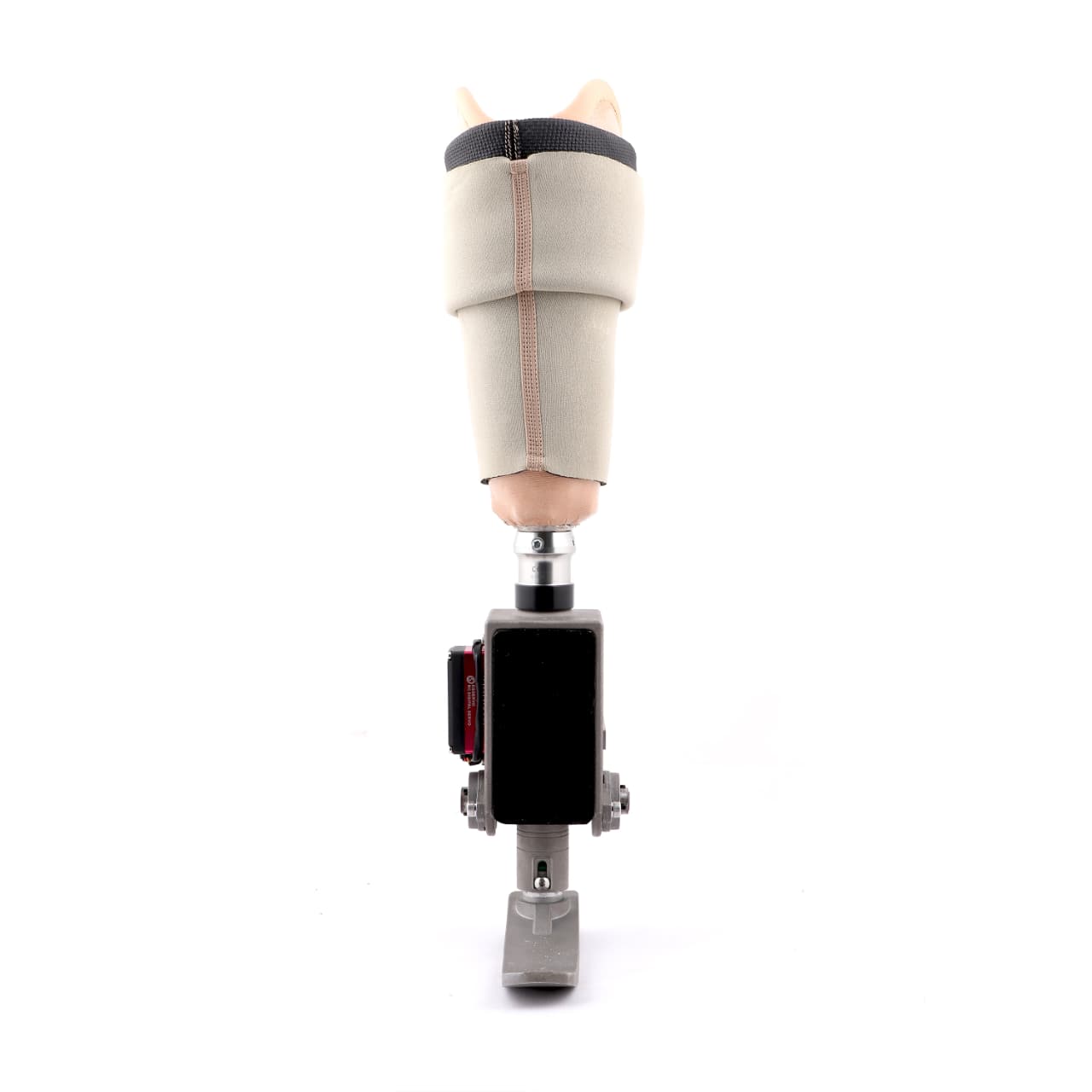
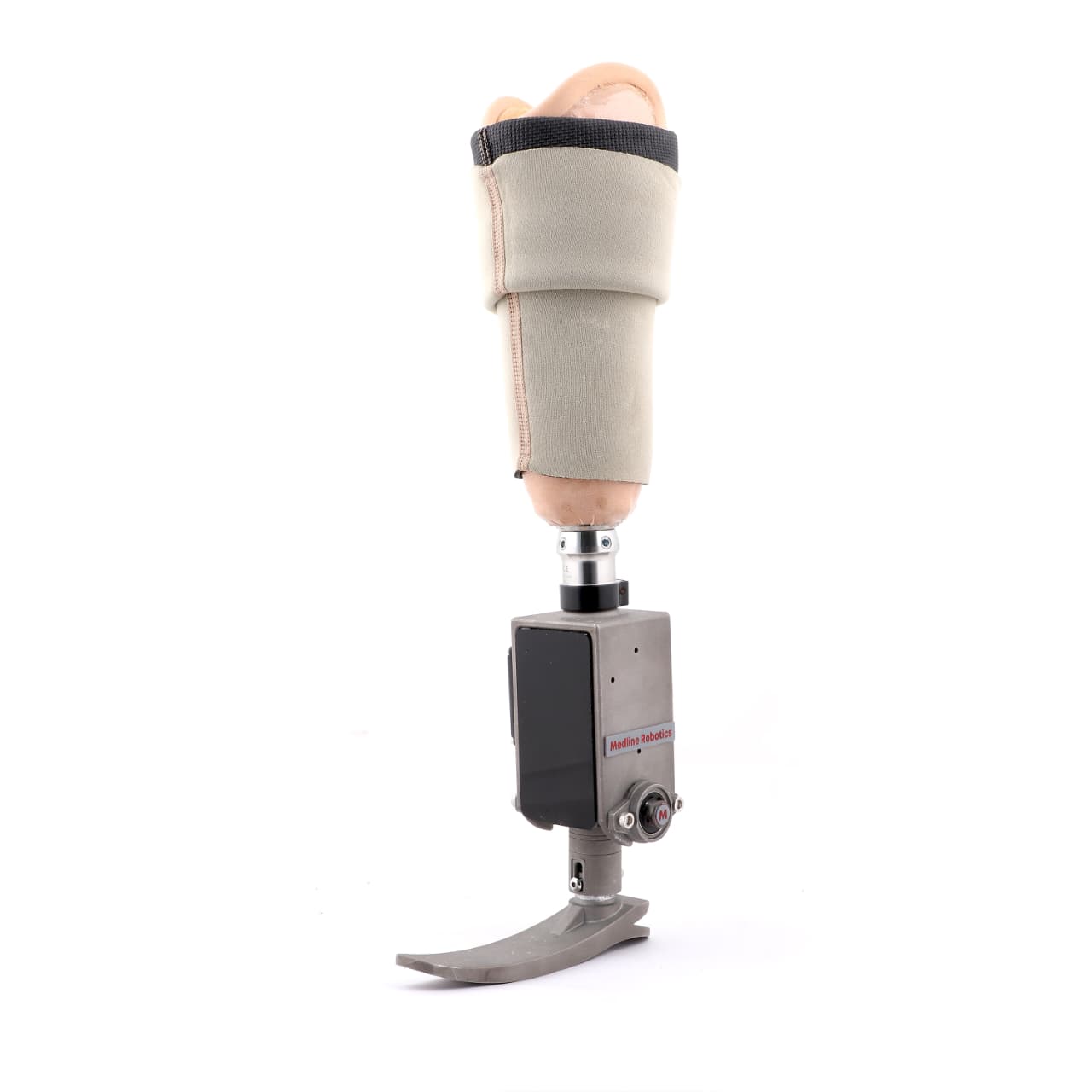
M1 Leg prosthetic — Medline Robotics
M1 Leg view 1
M1 Leg view 2
M1 Leg view 3
M1 Leg view 4
M1 Leg view 5
M1 Leg view 6

Recognised & Certified By

CDSCOCDSCO
MSMEMSME
ISOISO 13485
StartupTNStartupTN
IIT DelhiIIT Delhi
Startup IndiaStartup India
SISFSISF
0
Battery Required
IP67
Waterproof Rating
AI
Terrain Management
GOI
Government Patented

Why M1 Leg

Core M1 Leg Advantages

The M1 Leg by Medline Robotics is India's only government-patented, self-powered, AI-driven prosthetic — engineered for real Indian patients and real Indian conditions.

01
Autonomous Gait Adaptation
Stroke survivors often have reduced attentional capacity for complex motor tasks. The M1 Leg's AI manages terrain adaptation automatically, reducing cognitive load during walking.
02
Reduced Fall Risk
AI terrain classification helps anticipate surface changes — providing appropriate gait adjustments that reduce stumbling and fall risk, critical for patients with compromised balance.
03
Rehabilitation Integration
Medline Robotics coordinates with physiotherapists and rehabilitation physicians to ensure the M1 Leg fitting plan aligns with the broader stroke rehabilitation programme.
04
Caregiver Support
Our team provides caregiver training for family members supporting stroke patients — including donning/doffing, hygiene, and monitoring for fit problems.

Clinical Context

Stroke, Amputation & Prosthetic Rehabilitation

Stroke is a leading cause of vascular complications that can necessitate lower limb amputation. Stroke survivors face the dual challenge of neurological recovery and prosthetic adaptation. The M1 Leg's AI terrain system provides a uniquely supportive environment for this population — automating the gait challenges that cognitive impairment makes difficult to manage consciously.

Frequently Asked Questions

Your Questions Answered

Strokes can cause vascular complications in the limbs, including critical limb ischaemia, which may necessitate amputation if blood flow cannot be restored.
Timing depends on medical stability, wound healing (typically 6–8 weeks post-amputation), and functional rehabilitation readiness. Neurological recovery also influences timing.
Yes, potentially. Weight changes due to post-stroke dietary changes, spasticity-related muscle changes, and residual limb maturation may require more frequent socket adjustments.
Hemiplegia (one-sided paralysis) significantly affects prosthetic candidacy. Our clinical team assesses each patient individually — considering contralateral limb function and balance.
We provide caregiver education, home assessment recommendations, and coordination with the patient's neurology and rehabilitation team to optimise outcomes.

Supporting Stroke Survivors

Medline Robotics has experience with complex neurological amputee patients. Contact us for a clinically guided M1 Leg assessment.

Full Product Details
Explore M1 Leg in Full Detail
Government of India Patent — Self-Powered Prosthetic Technology | Made in India

Related Pages

Prosthetic Leg India Prosthetic Leg Price Below Knee Prosthetic Waterproof Prosthetic Self-Powered Prosthetic AI Prosthetic Leg Government Approved M1 vs Ottobock