Medline Robotics — Weight-Optimised Design

Lightweight Prosthetic Leg India

Prosthetic leg weight directly affects fatigue, gait symmetry, and quality of life. The M1 Leg uses advanced materials engineering to minimise weight without compromising structural integrity — enabling all-day comfortable use.

Weight-Optimised — Advanced materials minimise limb weight

Reduces Fatigue — Less energy expenditure per step

All-Day Comfort — Designed for 12+ hour daily wear

Structural Integrity — Light does not mean fragile

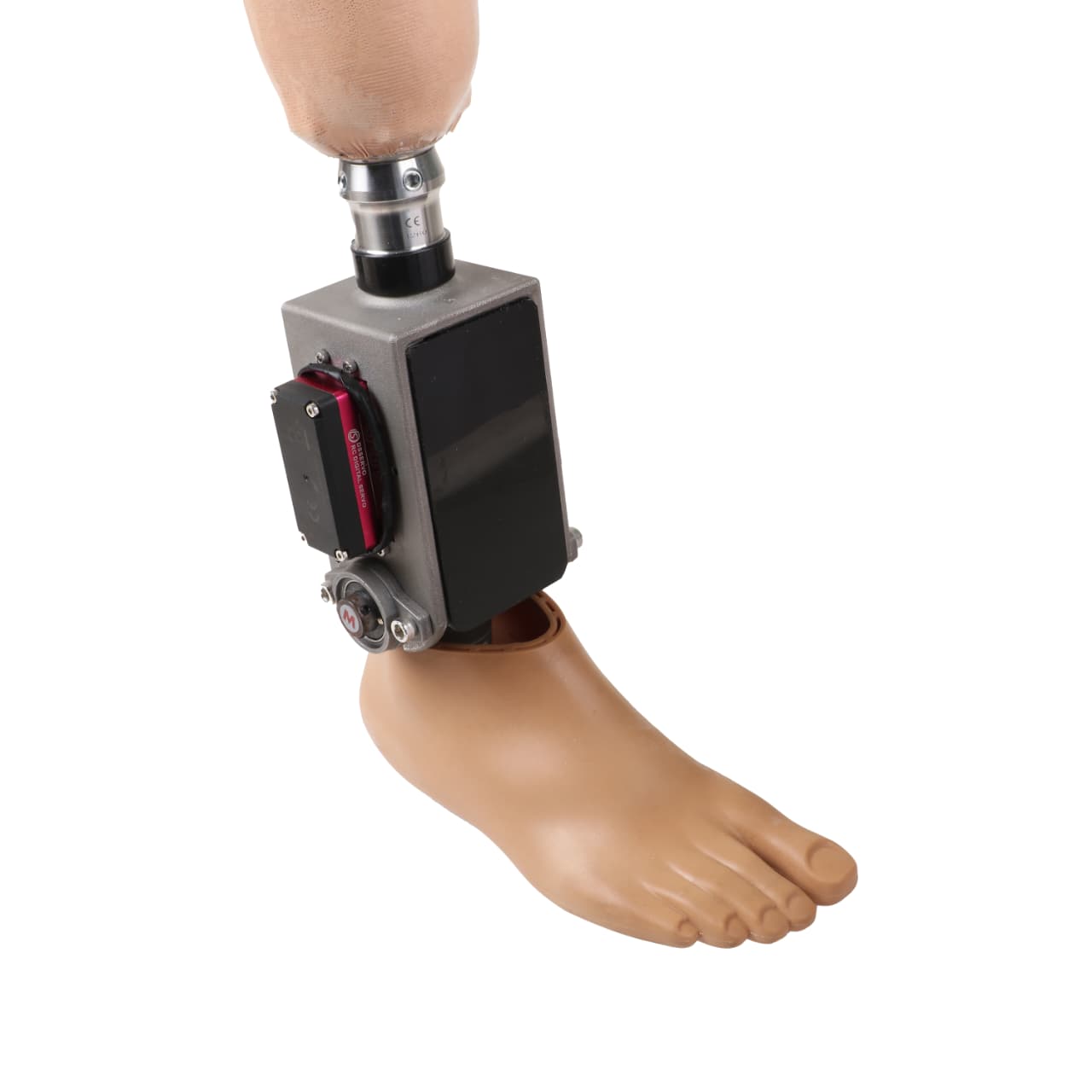
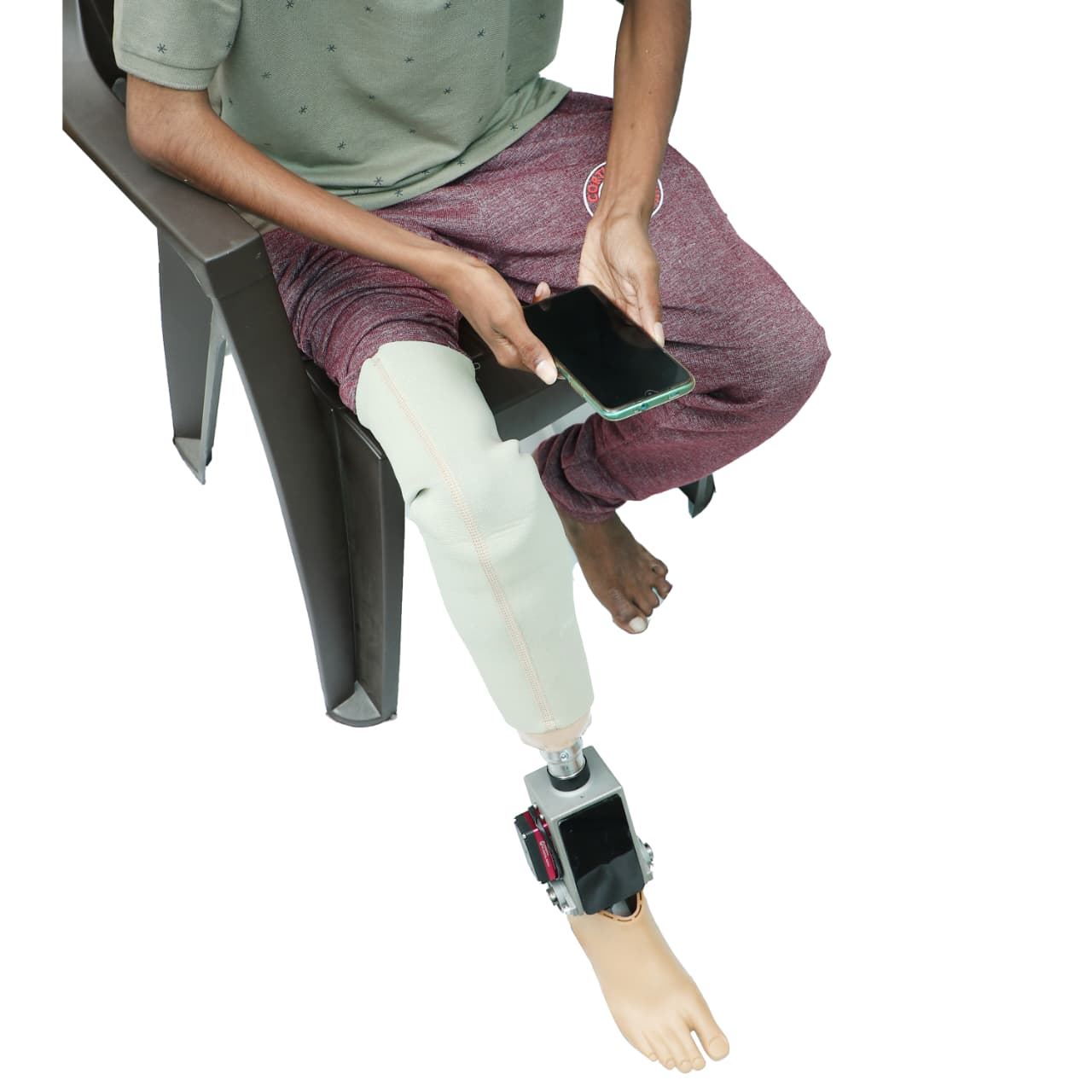
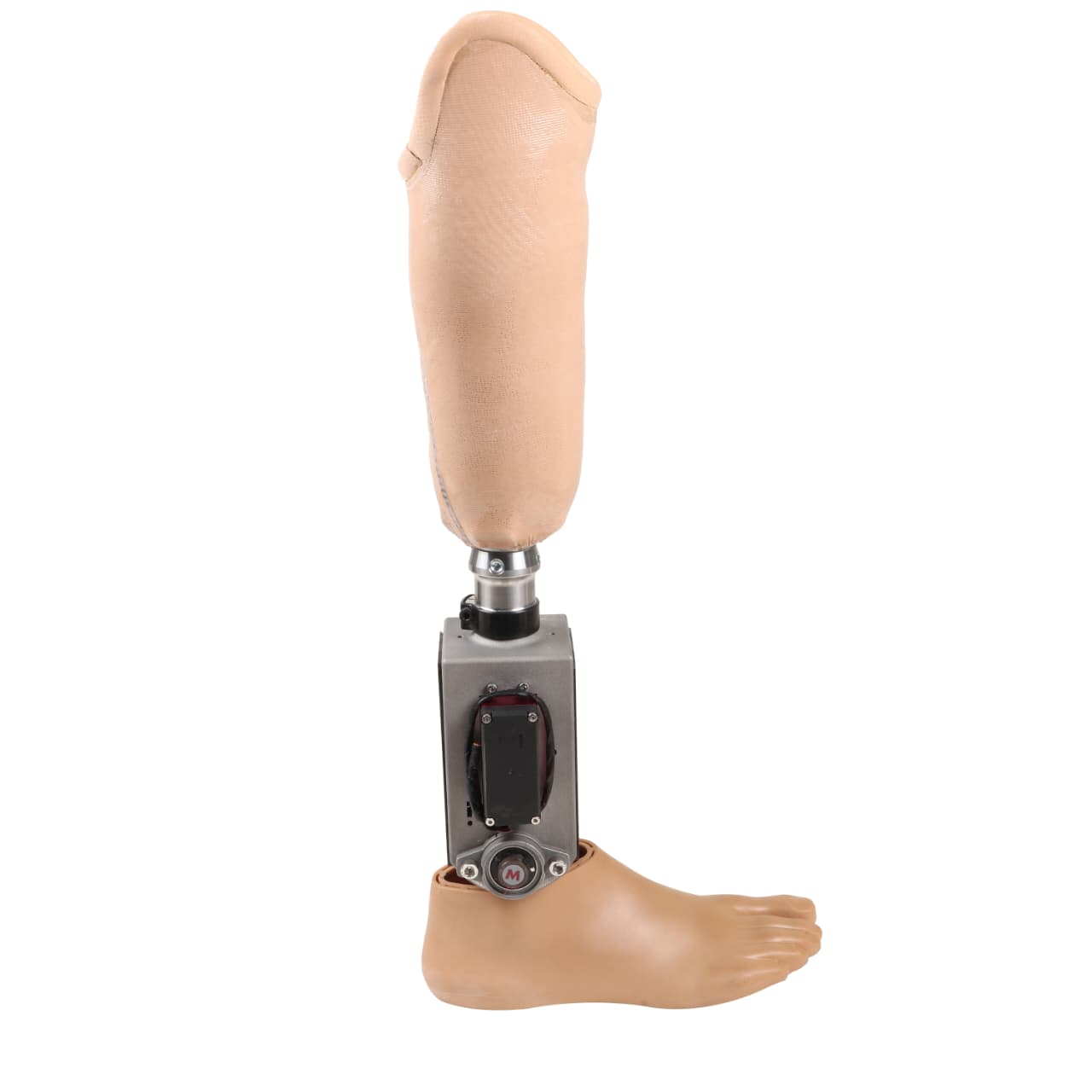
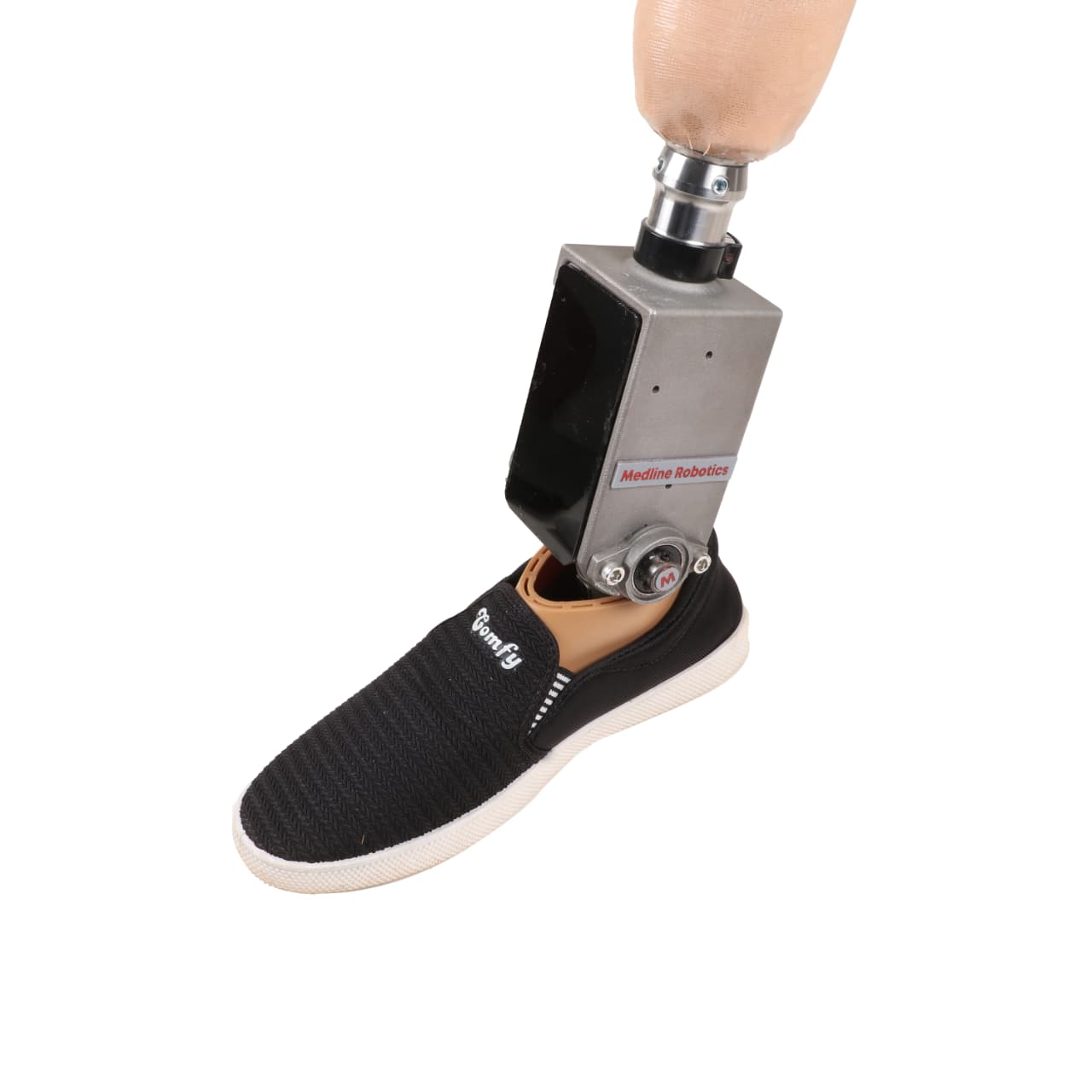
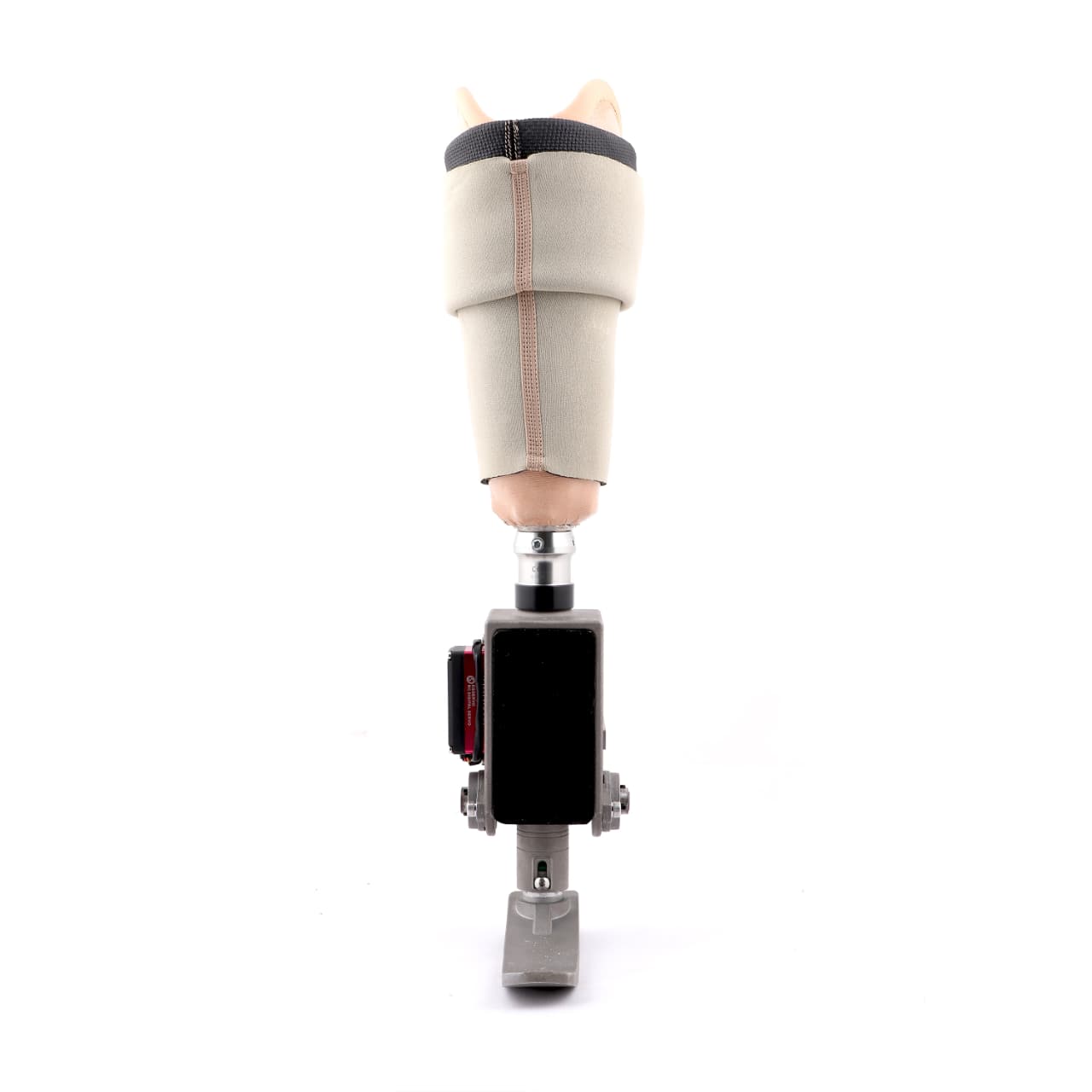
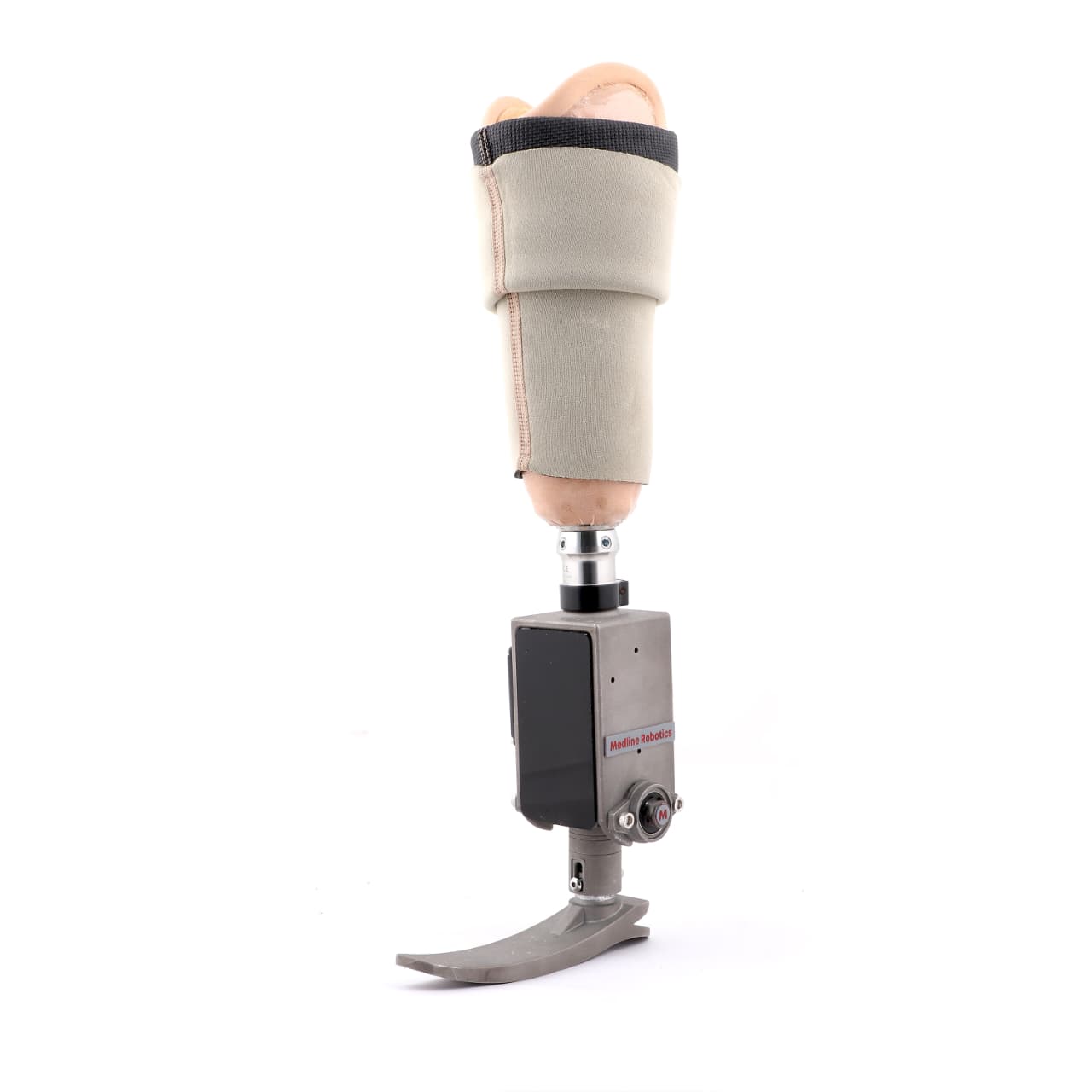
M1 Leg prosthetic — Medline Robotics
M1 Leg view 1
M1 Leg view 2
M1 Leg view 3
M1 Leg view 4
M1 Leg view 5
M1 Leg view 6

Recognised & Certified By

CDSCOCDSCO
MSMEMSME
ISOISO 13485
StartupTNStartupTN
IIT DelhiIIT Delhi
Startup IndiaStartup India
SISFSISF
Min
Weight Design
AI
Terrain Control
IP67
Waterproof
GOI
Patented

Why M1 Leg

Core M1 Leg Advantages

The M1 Leg by Medline Robotics is India's only government-patented, self-powered, AI-driven prosthetic — engineered for real Indian patients and real Indian conditions.

01
Advanced Materials
Carbon fibre components and high-strength polymer alloys deliver the best weight-to-strength ratio — keeping the M1 Leg light without compromising safety or durability.
02
Energy Conservation
Reducing prosthetic weight by even 200–300 grams significantly reduces the metabolic cost of walking. This translates to longer comfortable activity periods and less end-of-day fatigue.
03
Gait Symmetry
Heavy prosthetics cause compensatory gait patterns that stress the sound limb, hip, and spine. The M1 Leg's weight optimisation promotes natural, symmetric walking.
04
Durability Maintained
Light does not mean fragile. The M1 Leg's structural engineering ensures weight-bearing components meet clinical load standards for safe daily use in active patients.

Materials Science

How Advanced Materials Make M1 Leg Light

The prosthetic industry has been transformed by materials innovation. Carbon fibre — 5x stronger than steel at 1/4 the weight — allows structural components to be dramatically lighter. Titanium hardware replaces steel for load-bearing joints. The M1 Leg incorporates these advances alongside its AI electronics, achieving an optimised weight profile for Indian patients.

Frequently Asked Questions

Your Questions Answered

Excessively heavy prosthetics increase stress on the residual limb, contralateral limb, and lumbar spine — contributing to musculoskeletal complications over years of use.
Yes, with appropriate sizing. Minimising weight is especially important for paediatric patients, as compensatory gait patterns can affect skeletal development in growing children.
The energy harvesting system adds some weight but is engineered to minimise this. The elimination of battery packs (typically 200–400g in battery-powered prosthetics) offsets the mechanical addition.
The M1 Leg is weight-rated for standard adult users. For patients with higher body weight, our prosthetists select appropriate component ratings. Contact us for specific limits.
IP67 sealing adds minimal weight. The engineering priority is water exclusion without compromising the component weight targets set during design.

Light as a Feather. Strong as Steel.

Experience the M1 Leg — India's most advanced lightweight prosthetic. Book your free assessment today.

Full Product Details
Explore M1 Leg in Full Detail
Government of India Patent — Self-Powered Prosthetic Technology | Made in India

Related Pages

Prosthetic Leg India Prosthetic Leg Price Below Knee Prosthetic Waterproof Prosthetic Self-Powered Prosthetic AI Prosthetic Leg Government Approved M1 vs Ottobock